Biology. Specialization: General Biology
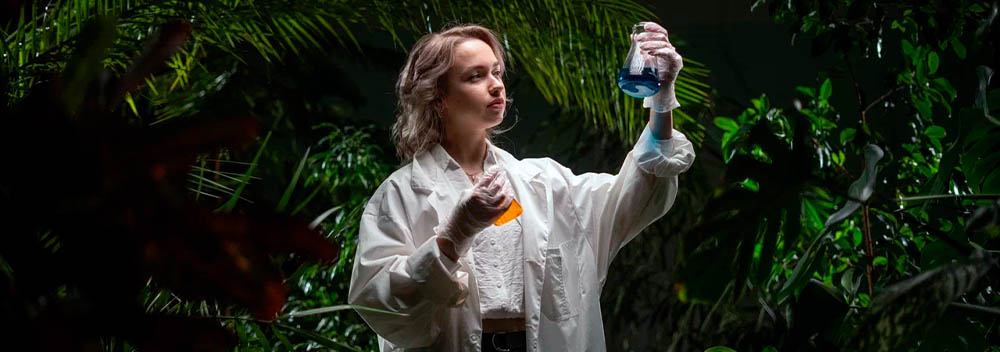
To study and protect wildlife, effectively use biological systems for economic and medical purposes, organize and participate in research expeditions, and monitor compliance with environmental legislation. All this and much more is included in the area of responsibility of biology graduates.
During their studies, students are engaged in scientific research and observations of a variety of biological objects, analyze and predict the processes occurring in ecosystems at various levels, have the opportunity to train in scientific and research centers, participate in conferences, symposiums and Olympiads, events for the protection of nature and human health.
Areas of work:
- design, research, scientific and production organizations;
- Nature conservation and environmental management authorities;
- Ecological and analytical laboratories;
- Educational institutions.
Places of work:
- Pharmaceutical and biotechnological companies (research engineer; laboratory engineer)
- Ecological-analytical and chemical-analytical laboratories (ecologist-laboratory assistant, laboratory engineer, laboratory technician)
- Medical institutions: hospitals, maternity hospitals, dispensaries, sanitary facilities (laboratory technicians and biologists)
- Educational and educational institutions: universities, colleges, schools, institutions of additional education, museums, kindergartens.
- Forestry enterprises, fish breeding plants, sewage treatment plants, weather stations
Types of professional activity:
- Scientific research: conducting field and experimental research;
- Applied laboratory: conducting laboratory analyses and experiments;
- scientific and production: implementation of technological control over biological production processes, solving design and production tasks requiring biological training, organizational activities in the field of nature conservation and rational use of natural resources;
- pedagogical: teaching, extracurricular activities, educational activities in the field of biology and ecology (in accordance with the established procedure);
- biomonitoring and biological control of the state of the natural environment, assessment of anthropogenic impacts on it;
- Nature protection: design and implementation of nature protection measures, nature conservation;
- other types of activities that allow you to use basic training in Biology.